
Fostering Community Engagement Through Gardening: A Green Revolution
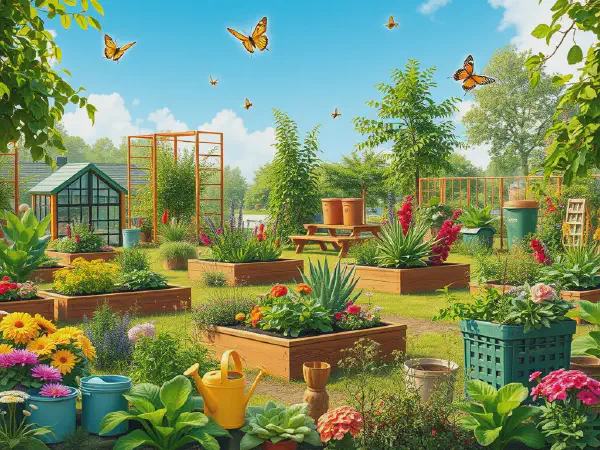
Fostering Community Engagement Through Gardening
Fostering Community Engagement Through Gardening holds immense potential for transforming neighborhoods into thriving, inclusive spaces. Community gardening not only beautifies local areas but also serves as a platform for people to come together, share resources, and build lasting relationships. By actively participating in gardening projects, individuals can foster a sense of pride and ownership within their community, and collaboratively work towards common goals.
The act of gardening transcends mere planting; it is about cultivating a sense of belonging and cooperation among residents. Fostering Community Engagement Through Gardening encourages collaboration among different demographics, including families, seniors, and children. As participants dig, plant, and harvest together, they exchange stories, ideas, and cultural practices, ultimately enriching their lives and reinforcing connections within the community.
Moreover, Fostering Community Engagement Through Gardening can address social problems like food insecurity and isolation. By creating community gardens, neighborhoods can provide fresh produce to those in need, ensuring healthier food options while promoting self-sufficiency. Additionally, these gardens can serve as a sanctuary for individuals seeking solace and connection, combating loneliness in increasingly urbanized environments.
Effective Community Engagement fosters trust and collaboration, empowering local voices to shape meaningful change.
Fostering Community Engagement Through Gardening does not only contribute to social and mental well-being but also promotes environmental stewardship. Teaching community members about sustainable gardening practices helps protect local ecosystems and fosters a deeper appreciation for nature. As residents nurture their gardens, they also learn crucial skills like composting, pest management, and water conservation, nurturing a culture of ecological responsibility.
Ultimately, Fostering Community Engagement Through Gardening cultivates more than just plants; it nurtures a sense of community, belonging, and environmental consciousness, driving communities toward greater resilience and sustainability.
Benefits of Community Gardening
One of the primary benefits of community gardening is enhancing social connections among residents. Community gardens serve as meeting places where neighbors, who might otherwise remain strangers, come together to work towards a shared goal. By participating in these projects, individuals forge friendships, build networks of support, and strengthen community ties, reducing social isolation and promoting a sense of belonging.
Moreover, community gardening has been linked to improved mental health and well-being. Engaging in gardening activities lets individuals relieve stress and anxiety while promoting physical activity. The simple act of nurturing plants can be meditative, allowing individuals to connect with nature and find tranquility amid further triggering stress in urban environments.
Community gardening also promotes sustainability and environmental awareness. Through shared experiences, participants learn about organic gardening practices, composting, and biodiversity, cultivating a sense of responsibility towards the environment. These gardens encourage a consciousness of food sources and a recognition of the importance of sustainable practices in combating climate change.
Successful Community Gardening Initiatives
Numerous case studies highlight successful community gardens worldwide. For instance, the 596 Acres initiative in New York City empowers residents to take ownership of vacant lots and transform them into thriving green spaces. By providing resources and guidance, they have fostered the creation of over 170 community gardens, proving that grassroots efforts can achieve remarkable results.
Getting started with a community garden requires careful planning. A step-by-step guide includes assembling interested community members, identifying available land, determining the type of garden, and establishing rules for participation. Additionally, individuals must seek community input to ensure the garden meets everyone’s needs and desires.
Locally supported community gardening initiatives yield diverse outcomes. For instance, the Chicago Botanic Garden’s Community Gardening Program provides mentorship and resources to neighborhoods, resulting in enhanced access to fresh produce, educational workshops, and increased green spaces in urban areas. The program has demonstrated the significant impact that well-structured community gardening initiatives can have on local neighborhoods.
Educational Opportunities in Gardening
Community gardening offers numerous educational opportunities for residents. Workshops can be organized to provide insights into sustainable gardening practices, plant care, and pest management. These workshops empower community members by sharing knowledge and enhancing their gardening skills, which can be particularly valuable for those with limited resources or experience in the field.
School involvement in community gardening initiatives is another crucial aspect. Schools can incorporate gardening into their curriculum, teaching students about ecology, biology, and nutrition. By participating in hands-on learning through gardening, students become more aware of their environment and develop a positive relationship with food, which can lead to healthier choices as they grow older.
Furthermore, gardening has emerged as an effective tool for teaching environmental science. In experiential learning environments, students learn about soil health, the water cycle, and the importance of biodiversity. These hands-on experiences instill a sense of stewardship towards the environment and encourage students to consider careers in agriculture or environmental science.
Cultural Impact of Gardening
Gardening also serves as a platform for incorporating diverse cultural practices. By encouraging community members to share their gardening traditions and techniques, community gardens can become a melting pot of knowledge and practices, enriching the gardening experience for all participants. This fosters mutual respect and appreciation for different cultural backgrounds.
Additionally, community gardening can play a significant role in preserving traditions. Especially for immigrant communities, gardening may be a way to maintain cultural heritage by growing traditional crops and practicing ancestral farming techniques. This connection to cultural identity can enhance community cohesion and pass knowledge down through generations.
Engaging diverse communities through collaborative gardens strengthens ties among various cultural groups within neighborhoods. These gardens present opportunities for cultural exchange, where participants can share recipes, celebrate harvest festivals, and come together for communal events, reinforcing connections and understanding among diverse populations.
Challenges in Community Gardening
Despite the many benefits, community gardening faces challenges, notably regarding funding and resources. Securing financial support for initial setup and ongoing maintenance can be daunting. Community organizations can work together to write grants, hold fundraisers, or seek donations from local businesses to overcome these barriers.
Addressing community conflict in gardening spaces is another challenge. Differing opinions about garden rules, plant choices, or maintenance responsibilities can lead to disagreements. Establishing a clear structure for communication and decision-making among members is essential for ensuring that all voices are heard and included in the process.
Sustaining community engagement over time can be a challenge in community gardening. Participation levels may fluctuate, and maintaining enthusiasm among members requires intentional effort. Organizing regular events, workshops, and opportunities for celebration can help sustain interest and keep members engaged in the long term.
Future of Community Gardening
The future of community gardening looks promising, with innovations in gardening practices emerging continually. Techniques such as vertical gardening, aquaponics, and raised beds are making it easier for community members to grow produce in limited spaces, thereby expanding the potential for urban communities to participate in gardening.
Technology is also playing a significant role in community engagement. Digital platforms can be utilized to connect community gardeners, share resources, and organize events. Online tools can streamline communication, allowing gardeners to coordinate schedules, discuss challenges, and celebrate successes with greater ease.
Lastly, trends in urban gardening and community involvement are gaining momentum. As urbanization continues to rise, cities are increasingly recognizing the value of green spaces in promoting well-being. Community gardening is likely to become a central component of urban planning, fostering inclusivity, environmental consciousness, and resilience in communities.