
ding Community Gardens
Why Choose Lantern Crest for Senior Living?What is a Community Garden?
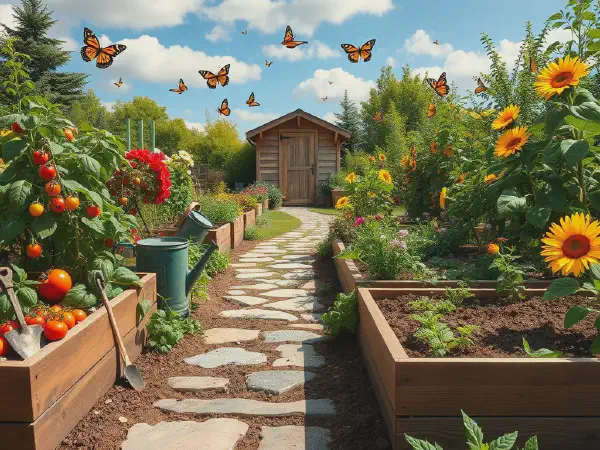
Overview of Lantern Crest Senior LivingA community garden is a shared space where individuals or groups come together to cultivate plants, primarily vegetables, flowers, and herbs. These gardens are typically located in urban areas, transforming vacant lots into vibrant green spaces that promote community gardening and local food production. They foster a sense of collaboration, allowing neighbors to engage in gardening activities, share resources, and learn from one another. This collective effort not only produces fresh produce but also enhances the local environment.
Lantern Crest Senior Living, located in the heart of El Cajon, offers a premier choice for families seeking quality senior living options. The facility provides both assisted living and independent living arrangements, ensuring a tailored experience for each resident. With a focus on fostering a vibrant and supportive community, Lantern Crest stands out for its exceptional amenities, including beautifully designed apartments, engaging community activities, and comprehensive healthcare services. Families can find peace of mind knowing that their loved ones are surrounded by a caring environment that prioritizes both comfort and safety.Benefits of Starting a Community Garden
Core Values and MissionThe benefits of starting a community garden are profound and multifaceted. First and foremost, community gardens enhance community engagement by bringing people together, encouraging social interactions, and fostering friendships among participants. They serve as a platform for community involvement, where individuals can collaborate on garden planning and maintenance.
At the core of Lantern Crest’s mission is a commitment to enhancing the quality of life for seniors through compassionate care and engagement. The community values respect, dignity, and individuality, believing that each resident deserves personalized attention and support. This mission is reflected in their dedicated staff, who are trained to provide not only essential healthcare services but also emotional support to residents and their families. By prioritizing these values, Lantern Crest creates a nurturing atmosphere where seniors can thrive and maintain their independence.Moreover, these gardens provide access to fresh, organic produce, which is particularly beneficial in urban areas where food deserts may exist. By growing vegetables and fruits, community members can improve their diets and overall health.
Community Reputation and ReviewsAdditionally, community gardens contribute positively to the environment by promoting sustainable gardening practices. They can help reduce urban heat, improve air quality, and support local biodiversity by attracting pollinators and other beneficial wildlife. The environmental impact of these gardens extends beyond their immediate surroundings, as they contribute to the larger ecosystem.
Lantern Crest has built a strong reputation in the El Cajon and Santee areas, as evidenced by numerous positive reviews from residents and their families. Many testimonials highlight the attentive and friendly staff, the variety of community activities that promote socialization, and the overall safety features of the facility. According to recent ratings on platforms likeTypes of Community GardensSeniorAdvisor.com
, Lantern Crest consistently scores above average in categories such as cleanliness, responsiveness, and quality of care. Families seeking senior care can trust that Lantern Crest is committed to providing an exceptional living experience for their loved ones.Community gardens can take many forms, each serving unique purposes and catering to different interests:
Key Amenities and Services Offered- Vegetable Gardens:Independent Living Options These are the most common type, focusing on growing a variety of vegetables for community consumption. They are ideal for individuals looking to learn how to start a garden while also contributing to local food production. At Lantern Crest in El Cajon, seniors can enjoy a vibrant lifestyle with
- Flower Gardens:independent living options Often designed for aesthetic appeal, flower gardens can beautify neighborhoods and provide habitats for pollinators. They also serve as a therapeutic space for gardening enthusiasts. tailored to their needs. This retirement community offers spacious apartments equipped with modern amenities, allowing residents the freedom to maintain their independence while having access to essential services. Each apartment is designed to promote comfort and safety, featuring grab bars in bathrooms and emergency call systems, ensuring peace of mind for both residents and their families. For those seeking a vibrant community for their loved ones, exploring options for
- Educational Gardens:Senior Living El Cajon These gardens are geared towards teaching children and adults about sustainable gardening practices, nutrition, and environmental stewardship. Schools and community organizations often implement these to promote learning and hands-on experience. can be transformative.
By understanding the various types of community gardens and their benefits, individuals and groups can effectively contribute to their communities while enjoying the rewards of gardening.
To cultivate a thriving green space in your neighborhood, follow this comprehensive guide on how to For those requiring a bit more support, Lantern Crest provides comprehensive Start a Community Garden – Step-by-Step Guideassisted living services.. This includes personalized care plans that address individual needs such as medication management, help with daily activities, and mobility assistance. Staffed by trained professionals, the community ensures that seniors receive the right level of care while enjoying a high quality of life. The integration of support services within the community setting fosters a sense of security and reduces the need for external senior care services.
Step 1: Gather Your CommunityOn-site Healthcare and Emergency Services
Building a Team of Garden EnthusiastsOne of the standout features of Lantern Crest is its
on-site healthcare and emergency servicesTo launch a successful community garden, the first step is to assemble a dedicated team of garden enthusiasts. Start by reaching out to local gardening clubs, such as the . With a dedicated health and wellness team available 24/7, residents can access medical care without the stress of traveling off-site. Regular health assessments and wellness programs are also part of the services offered, promoting preventive care and ensuring that any health concerns are promptly addressed. This
Families of residents often share their peace of mind regarding their loved ones' well-being at Lantern Crest. James, whose mother recently moved into the facility, noted, "The staff at Lantern Crest truly cares. They treat my mother like family, and the personalized healthcare services have made a world of difference." Such testimonials underscore the commitment to high-quality senior care and the positive impact it has on family dynamics, alleviating concerns about safety and support.
Step 4: Organize Resources and Fundingassisted living
facility likeGathering Donations and SponsorshipsLantern Crest
in El Cajon may be the best fit. Such communities are designed to provide personalized healthcare services while promoting independence. On the other hand, if your loved one is more independent but still desires a supportive environment,Securing funding for a community garden is crucial for its sustainability and success. One effective strategy is to reach out to local businesses for donations or sponsorships. For instance, local hardware stores like Home Depot often have community grant programs that support gardening initiatives. By showcasing the independent livingcommunity garden benefits options could be more suitable, offering amenities and community activities that foster social engagement., such as promoting local food production and enhancing urban green spaces, you can persuade businesses to contribute tools, seeds, or even monetary support.
Evaluating Community EnvironmentWriting Grant Proposals
The atmosphere of a senior living community can significantly impact your loved one's overall happiness and well-being. Consider visiting facilities in El Cajon and Santee to get a feel for the community environment. Look for spaces that prioritize safety features, such as secure entrances and emergency response systems. Additionally, assess the availability ofAnother essential method for funding is applying for grants. Organizations such as the community activitiesAmerican Community Garden Association and amenities that align with your loved one's interests. For example, Lantern Crest offers a variety of engaging programs, from fitness classes to arts and crafts, encouraging residents to remain active and socially connected. offer grants specifically for community gardening projects. When writing your grant proposal, clearly outline your garden’s objectives, the environmental impact it aims to achieve, and how it fosters community involvement. Include specific details about how funds will be allocated, such as for soil, seeds, and maintenance tools, ensuring that your plan demonstrates both sustainability and community engagement.
Understanding Financial ConsiderationsUtilizing Community Resources
Lastly, understanding the financial implications of different senior living options is essential for making an informed decision. Investigate the costs associated with various facilities, including monthly fees, additional healthcare services, and what is included in the price. Some communities may offer tiered pricing based on the level of care needed, which can affect long-term affordability. It's advisable to consult with financial advisors or the facility's admissions staff to clarify any uncertainties regarding payment structures and to explore potential financial assistance programs that could ease the burden of senior care.Don’t overlook local community resources that can aid in your funding efforts. Many municipalities have programs designed to support urban gardening initiatives. For example, the New York City Department of Parks and RecreationFrequently Asked Questions about Lantern Crest Senior Living provides resources for community gardens, including access to land, tools, and educational workshops. Collaborate with local schools and non-profits to leverage their networks and resources. This not only helps in acquiring necessary tools and supplies but also strengthens community ties through shared goals in sustainable gardeningCommon Concerns About Senior Living.
Families and caregivers often have various concerns when consideringStep 5: Start Planting and Community Involvementsenior living
options for their loved ones. AtSelecting a Planting DateLantern Crest
in El Cajon, many inquire about the difference betweenChoosing the right planting date is crucial for the success of your community garden. Aim for a time that aligns with the local climate and the types of vegetables you plan to grow. For example, in the United States, most vegetable planting occurs in late spring after the last frost. Utilize local agricultural extensions or resources like the assisted livingUSDA Plant Hardiness Zone Map and to determine the best time for your specific region.independent living
. Assisted living is ideal for seniors who require daily support with activities such as medication management and personal care, while independent living is suited for those who can live more autonomously but still enjoy community amenities. Both options provide a vibrant lifestyle enriched with community activities and safety features that promote well-being.Scheduling Community Planting Days
Another common concern revolves around the quality ofEngaging the community during the planting phase fosters a sense of ownership and collective effort. Organize community planting days by utilizing tools like healthcare servicesEventbrite available. Lantern Crest ensures that all residents have access to professional healthcare staff trained to assist with various needs, from routine wellness checks
Information on Move-In ProcessesGoogle Calendar to keep everyone informed about upcoming events. Additionally, consider hosting workshops on sustainable gardening practices, such as composting or organic pest control, to educate participants and encourage their return. By fostering a sense of community and shared responsibility, you can enhance the overall experience of urban gardening and ensure the success of your garden project.The transition to a new living situation can be daunting, but Lantern Crest has a streamlined
move-in processMaintaining Your Community Garden designed to make this change as smooth as possible. Once a decision is made, families will meet with a dedicated staff member who will guide them through the necessary paperwork and assist in selecting the best living arrangement based on the resident's needs. This personalized approach ensures that the new resident feels comfortable and welcomed into their new community.
Maintaining a community garden is crucial for its longevity and success. Regular upkeep not only ensures a bountiful harvest but also fosters community involvement and promotes sustainable gardening practices. Here’s how to effectively maintain your community garden post-planting.Additionally, Lantern Crest provides resources to help families with the logistics of moving, including recommendations for local moving services and tips for downsizing belongings. This level of support underscores their commitment to providing excellent
senior careRegular Maintenance Schedules and fostering a supportive environment for both residents and their families.
Establishing a regular maintenance schedule is essential for the health of your garden. This can include weekly tasks such as watering, weeding, and checking for signs of pest activity. For example, the { "@context": "https://schema.org", "@type": "FAQPage", "mainEntity": [ { "@type": "Question", "name": "What types of living arrangements are available at Lantern Crest?", "acceptedAnswer": { "@type": "Answer", "text": "Lantern Crest offers both independent and assisted living options, catering to different levels of care and lifestyle preferences." } }, { "@type": "Question", "name": "How does Lantern Crest ensure resident safety?", "acceptedAnswer": { "@type": "Answer", "text": "Safety is prioritized at Lantern Crest through enhanced security, emergency response systems, and trained staff available around the clock." } }, { "@type": "Question", "name": "What community activities are offered?", "acceptedAnswer": { "@type": "Answer", "text": "Residents can participate in various activities, including fitness classes, arts and crafts, social events, and outings to local attractions." } }, { "@type": "Question", "name": "Can loved ones visit residents at Lantern Crest?", "acceptedAnswer": { "@type": "Answer", "text": "Yes, Lantern Crest encourages family visits and hosts events to foster connections between residents and their loved ones." } }, { "@type": "Question", "name": "How do I start the admission process?", "acceptedAnswer": { "@type": "Answer", "text": "You can initiate the admission process by contacting Lantern Crest to schedule a tour and discuss care options tailored to your loved one\u2019s needs." } } ] } American Community Gardening Association suggests that gardens should have dedicated volunteer days, where community members come together to care for the garden. This not only keeps the garden thriving but also strengthens community ties.Frequently Asked Questions
Additionally, consider implementing a rotating schedule for tasks like soil testing and mulching, which are vital for maintaining soil health. This proactive approach allows for effective garden planning and ensures that all members are engaged in sustainable practices.What types of living arrangements are available at Lantern Crest?
Handling Pests and DiseasesLantern Crest offers both independent and assisted living options, catering to different levels of care and lifestyle preferences.
Addressing pest management and disease prevention is critical to maintaining the integrity of your community garden. Integrated Pest Management (IPM) is a sustainable approach that combines biological, cultural, and mechanical practices. For instance, introducing beneficial insects such as ladybugs can naturally control aphid populations, reducing the need for chemical pesticides.How does Lantern Crest ensure resident safety?
Regularly inspecting plants for signs of disease, such as yellowing leaves or unusual spots, allows for early intervention. The Safety is prioritized at Lantern Crest through enhanced security, emergency response systems, and trained staff available around the clock.University of California's Agriculture and Natural Resources provides a comprehensive guide on identifying common garden pests and diseases, which can be an invaluable resource for community gardeners.What community activities are offered?
Harvesting and Sharing ProduceResidents can participate in various activities, including fitness classes, arts and crafts, social events, and outings to local attractions.
Harvesting is one of the most rewarding aspects of community gardening. Organizing harvest events not only allows participants to enjoy the fruits of their labor but also fosters a sense of community. A successful model can be seen in the Can loved ones visit residents at Lantern Crest?Brooklyn Grange , which hosts regular harvest festivals that celebrate local food production and encourage community involvement.Yes, Lantern Crest encourages family visits and hosts events to foster connections between residents and their loved
ones.To ensure that produce is shared equitably, establish clear guidelines on how and when to harvest. Consider creating a “harvest calendar” that indicates which crops are ready, and designate specific days for harvesting to avoid over-picking. This method not only maximizes yield but also reinforces sustainable gardening principles by preventing waste.
How do I start the admission process?Incorporating these practices into your community garden maintenance plan will help sustain your garden’s productivity and strengthen community bonds. By focusing on regular maintenance, pest management, and organized harvesting, you can enjoy the numerous benefits of community gardening while making a positive environmental impact.
You can initiate the admission process by contacting Lantern Crest to schedule a tour and discuss care options tailored to your loved one’s needs.Evaluating Success and Growth
Frequently Asked QuestionsStart a Community Garden: Your Step-by-Step Guide to Success
What do I need to start a community garden?
July 23, 2025To start a community garden, you'll need a suitable piece of land, interested participants, tools, seeds, and a plan for maintenance.
How much does it cost to start a community garden?
The cost to start a community garden varies widely, typically ranging from a few hundred to several thousand dollars depending on land access, resources, and plant choices.
Can anyone participate in a community garden?Explore Innovative Wastewater Products for Sustainable Solutions
Yes, community gardens are generally open to anyone in the community, promoting inclusivity and a sense of belonging.
March 01, 2025What are the benefits of community gardening?
Benefits include access to fresh food, enhanced community relationships, environmental education, and improved mental and physical health.
How do I sustain my community garden?
Sustainability can be achieved by regular maintenance, rotating crops, managing pests, and keeping the community engaged and involved.